Hosanna
At Hosanna Quality of Life Development Center, improving quality of life is at the heart of our mission. We bring and connect essential services to New Yorkers, ensuring that health, dignity, and opportunity are accessible to everyone.
But what does “quality of life” really mean? It goes beyond physical health to include mental and spiritual well-being, strong relationships, education, safe and supportive environments, social belonging, financial stability, and the freedom to make meaningful choices.
A recent poll highlighted that many New Yorkers still feel their quality of life has suffered in the years following the pandemic. Post-COVID recovery has revealed underlying challenges — from mental health concerns to chronic conditions such as diabetes and high blood pressure — that continue to impact our daily lives.
That’s why we believe taking the care to the people is more than a service — it’s a commitment to restoring and strengthening our communities across all five boroughs.
Here are five reasons quality of life is important for communities:
1. It shapes where we live, work, eat, and play.
Quality of life determines how safe our neighborhoods are, whether we have access to healthy food, and if our workplaces and schools support well-being.
2. It helps identify community needs.
By measuring quality of life, we can better understand where resources are lacking and design programs that address those specific gaps — whether in healthcare, education, housing, or safety.
3. It empowers communities.
When individuals feel supported and connected, they are more likely to participate in decision-making, advocate for themselves, and contribute to long-term community development.
4. It promotes health and resilience.
A strong quality of life fosters healthier lifestyles, reduces stress, and creates resilience against crises like the COVID-19 pandemic.
5. It builds equity and opportunity.
Every person deserves the chance to thrive. Prioritizing quality of life ensures that vulnerable populations are not left behind, and that everyone — regardless of background — can achieve their full potential.
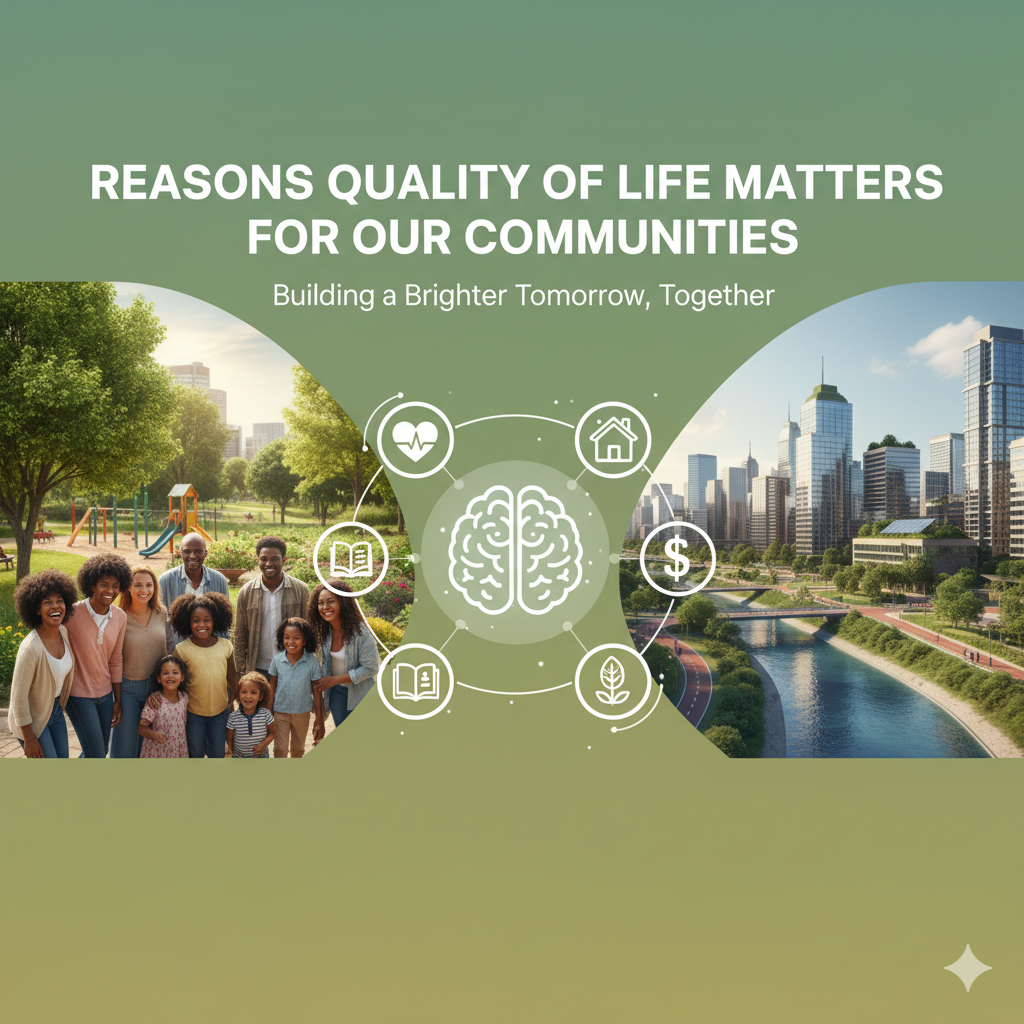
At Hosanna Quality of Life Development Center, we believe that by focusing on these five areas, we are not only improving individual lives but strengthening communities as a whole. Together, we can create a healthier, safer, and more equitable New York.
References:
- High Risk, Underserved, and Vulnerable Populations. (2019, October 8). Columbia School of Nursing.
- Hurley, K. (2024, February 17). Resilience: A guide to facing life’s challenges, adversities, and crises. Everyday Health.
- Andrea Bocelli Foundation. (2025, January 21). Community empowerment: meaning and examples.
- Community Needs Assessment (CNA) – DYCD. (n.d.). Www.nyc.gov.
- Office of Disease Prevention and Health Promotion. (2020). Social determinants of health. Healthy People 2030; U.S. Department of Health and Human Services.
- Merriam-Webster. (2020). Definition of QUALITY OF LIFE. Merriam-Webster.com.
- Teoli, D., & Bhardwaj, A. (2023, March 27). Quality of Life. PubMed; StatPearls Publishing.
- Campanile, C. (2025, June 4). NYC quality of life still worse compared to pre-pandemic era, according to new poll of residents. New York Post.